
 by aarti
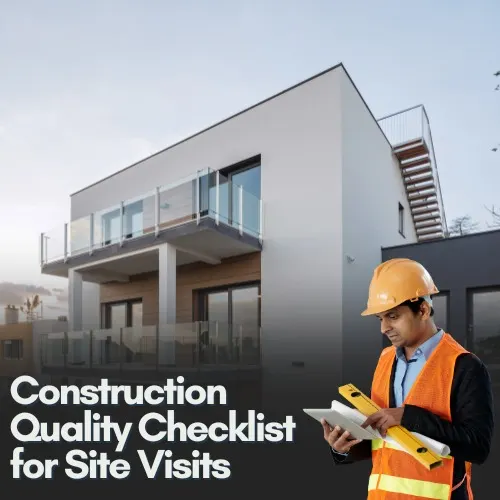
How to Identify Good Construction Quality During a Site Visit construction quality checklist
Introduction
Purchasing your first house is a major commitment to your future. Because of this, performing a site inspection prior to closing on a new home is crucial to ensuring that you will be satisfied with your new home long-term. A home inspection provides you with actual evidence of how well your home was built, as well as revealing potential problems that could develop with the construction of your home in the future.
In today’s market, homebuyers are much more proactive about educating themselves on what constitutes a quality home, and as a result, tend to be much humbler than previous decades when purchasing their new families. The purpose of this blog is to help homebuyers understand how to determine if their future home is constructed correctly and/or of high quality. Additionally, this article will provide guidance to homebuyers on what features and elements to look for and which ones should be avoided. With this guide, you will feel confident in making your purchase!
What Is Construction Quality?
Construction quality indicates how well a structure has been designed, built and completed. Good construction quality shows that the strength of the structure, type of materials used, quality of work and supervision, as well as safety provisions, all contribute to the sustainability of the building.
Quality construction will, as a result of good planning and execution, help ensure that the building will remain functional over a long period of time, thus reducing the costs of maintenance and enhancing the safety and comfort of the occupants. Therefore, it is essential that any buyer assesses the quality of a project prior to making a purchase decision by visiting the site.
The Importance of Building Quality for Homebuyers
The quality of a home’s construction has an immediate impact on the homeowner’s daily life. When the construction of a house is done properly, a sense of security and comfort is created. When the construction of a house is substandard, homeowners may face repeated repair costs and financial strain.
Well-constructed houses typically do a better job of holding their resale value than poorly constructed houses. Well-constructed houses tend to be more energy efficient and create a higher level of comfort for the homeowner. This is why it’s essential for buyers to do their due diligence by conducting a thorough inspection of the construction processes.
When visiting a construction site, check the following areas;
Assess the overall condition of the construction site and the safety provided.
Begin your inspection by evaluating the overall appearance of the construction site. Sites that look well-maintained, organized, and orderly typically indicate a more professional approach to the construction process (clean and organized construction sites reflect the quality of work that is being performed). Additionally, you should evaluate how construction materials are stored and if they are being protected from possible damage.
Evaluate the level of safety and security at the construction site.
When inspecting a construction site, you should also evaluate safety concerns. Common signs of safety concerns at construction sites are warning signs, temporary fencing, and personal protective equipment (PPE). Evaluating these items at the construction site is an important component of the initial construction site safety checklist.
Columns, Beams and Slabs
The structure of a building is its foundation. A structure must contain straight, evenly placed columns beams and slabs. In addition to being straight and evenly spaced, each component should not show any significant cracks or have exposed re-bar.
Small surface cracks may develop in the materials used to create the columns, beams and slabs, but large deep cracks or honeycomb type patterns are signs of poor workmanship. Increased attention should be paid to these areas.
Brickrows and Walls
The next step is checking the walls of the building. The brickwork of the walls must be consistent in size and evenly spaced. In addition, mortar joint should be minimal or completely filled.
When tapping the wall lightly, the sound produced by the wall will help determine the quality of work done by the builder. A solid sound will give the impression that good workmanship was utilized, while an unbalanced or hollow sound may indicate that the builder used substandard materials or workmanship and should be evaluated more carefully.
Plaster and Complete the Finishing
A smooth and uniform surface is necessary for plaster work. Run your fingers over the surface area being treated; it should no longer be rough or uneven.
Ensure you check the corners and edges of each square inch of the wall or ceiling to ensure the right finish was achieved.
Floors & Tiling
During your site visit, you should clearly identify an area where quality was achieved for flooring. Tile must be evenly placed and line up adjacent to each other without any disparity in height.
Tiles that make a hollow sound when struck will indicate to you that the tiles were not properly secured to the substrate. Proper quality in flooring is indicative of well-constructed techniques.
Check HVAC, Plumbing, Electrical, and Fire Systems
With your eyes wide open to HVAC, plumbing, electrical systems, and fire suppression, make sure to look up at plumbing systems installed correctly and free of any leaks, especially in bathrooms and kitchens.
Ensure electrical switchboards are properly aligned and secured. Loose wiring creates a major safety hazard. Check these items regularly during your review of safety on the construction site.
Waterproofing and Drainage.
Long-lasting, durable waterproofing is particularly important. Take a good look at wet areas: terraces, balconies, etc. Were any waterproofing testing done?
Make sure your drainage slope allows the easy passage of water. When there’s nowhere for water to go (stagnation), damage can occur. Don’t ignore this.
All About Construction Quality – Evaluating Construction Quality
When you evaluate construction quality, pay attention to the following items:
Confirm the quality of the materials used to build and finish your new home.
Verify that appropriate safety measures, as outlined in the construction site safety checklist, were followed and implemented at all times.
Pay attention to how well workmanship is done in areas that are often hidden from sight, such as in service ducts and other utility rooms.
If your new home was built with plumbing or waterproofing systems, inquire regarding maintenance to keep these systems functioning properly.
Be careful not to rush your inspection; take your time with it.
If at all possible, you may find talking to current homeowners about their maintenance and utility experiences to be helpful.
Common Errors Made by Site Visitors
The many buyers of the property focus primarily on the overall layout and appearance of their new location, but they tend to overlook the numerous technical requirements for buildings; this could cost them dearly!
Another frequent error that occurs is neglecting the proper safety inspection procedures for the construction site. A properly constructed building shows that the construction company has adhere to a well-defined safety program and employs strict safety procedures while constructing the structure.
Conclusion
To ensure that a building has been constructed correctly you simply have to be aware of your surroundings and pay close attention to details during your time at the site. Systematic inspections are an effective means of identifying areas where problems may arise later thereby minimizing your exposure to added expenses.
When performing a site visit focus on structural integrity; Material type; Finishing quality; Safe practices for the site visit and never compromise on safety standards.
Properly constructed buildings will stand the test of time providing you with a high level of comfort and ultimately a long-term investment. Taking the time to conduct your due diligence when visiting a construction site will pay off in the end


